


The hidden challenges of neuroadaptive learning
Some big changes are happening in education. With tools like neuroadaptive learning and brain-computer interfaces (BCIs) becoming more common, classrooms are changing. They have the ability to feature learning systems that know when students are losing focus or finding something too difficult, and adjust quickly to help them stay engaged. However, this change brings important questions, as neuroadaptive learning comes with its own challenges.
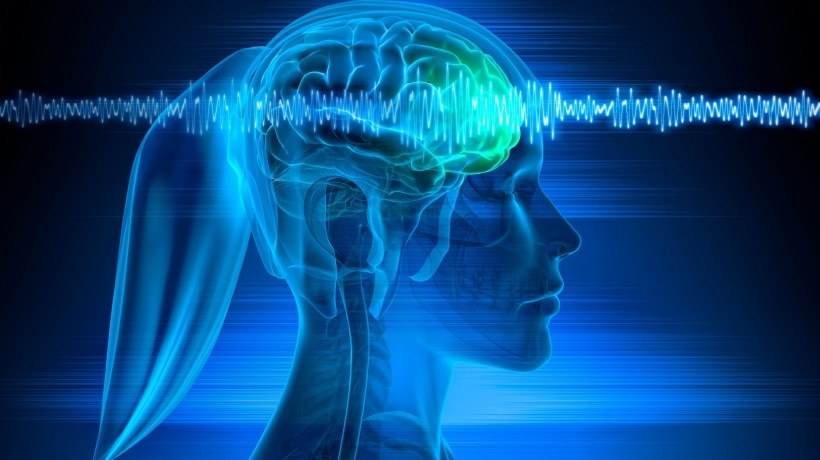
The goal of neuroadaptive learning is to develop systems that react to our thoughts and feelings. Sensors or wearable tools can detect brain signals, such as attention, stress, or fatigue, and adapt learning content. For example, if a student starts to lose focus, the lesson can be slowed down or made easier to help keep them focused. BCIS helps make this possible by connecting the brain to technology and converting brain activity into signals that computers can read. This brings us closer to personalized learning, where learning is based on our minds.
However, this raises questions. The same technology that detects attention can also detect emotion, effort and stress. Who owns this data? How should it be stored? What if it is misused? There are also ethical concerns. Should we measure a student’s brain activity to see how well they are learning? Can this tracking cause anxiety or judgment for students? Below, we’ll review all of the challenges that come with neuroadaptive learning, and see how we can mitigate them.
5+1 Things to Watch Out For When Using Neuroadaptive Learning
1. Data Privacy and Security
When it comes to the challenges of neuroadaptive learning, a major concern is what happens to the brain data that is collected. Unlike regular information, brainwave signals reveal highly personal details, such as attention levels, emotions, stress or fatigue. This is why brain data is among the most sensitive types of information. In case of unauthorized access or hacking, there is a high risk of exposing private neural patterns. Also, companies can misuse this data, such as using it to target ads or make assumptions about a person’s skills or personality. Another big question is who owns the data. Is it the learner, the school, or the tech company? Therefore, schools and organizations should keep this data safe and use it only for educational purposes.
Solution
To avoid threats, strong encryption and anonymity are essential. These measures will make it difficult for anyone to identify individuals from this data. Clear consent is also important, as learners must understand what data is collected, why, and how it will be used. Finally, you need strong regulations and global safety standards.
2. Ethical boundaries
When we talk about neuroadaptive learning, the main issue is how we use it. These systems can track brain activity to determine whether a learner is focused, relaxed or stressed, and then modify lessons in real time. This sounds great, but it also raises some ethical concerns. If a platform can detect your emotions, is it helping or influencing? For example, if the system notices that you’re losing focus and adjusts the content to re-engage you, that’s helpful. But what if it starts to drive your emotions or leverage specific reactions to keep you productive? This raises questions about control. Are learners still in charge of their learning, or are algorithms guiding them without their knowledge? Education should empower students to think independently, not manipulate their minds.
Solution
So, what can we do? First, we need transparency and accountability. Learners and teachers should understand how the system works, what data it collects, and how it adapts. Additionally, developers must create ethical guidelines to prevent manipulation or emotional abuse.
3. Psychological safety
Among the hidden challenges of neuroadaptive learning and brain-computer interfaces is the psychological aspect. When students know their attention, feelings, or stress levels are being tracked in real time, it can create stress rather than relief. Imagine being in class while a device checks whether you’re paying attention or being overwhelmed. This can make students feel self-conscious or stressed about their performance rather than engaging in learning. Psychological safety is vital to learning. Students need to feel like they can make mistakes, lose focus for a moment, or ask questions without worrying that their data will show too much. When students worry about being analyzed, it doesn’t help their growth.
Solution
The solution lies in transparency and trust. Teachers and developers should explain what data is being collected, why it is needed, and how it will be used. Students should also choose to agree or disagree with certain features. There should also be clear guidelines on how brain data should never be used for classification, punishment, or competition.
4. Access
One of the biggest challenges with neuroadaptive learning and brain-computer interfaces is making them accessible. These technologies can be very expensive, and schools often cannot afford them. Devices that measure brain activity, adaptive learning software, and the hardware needed to support them can cost thousands of dollars. This is especially difficult for underfunded schools in rural or developing areas. Apart from cost, there is also the issue of infrastructure. Neuroadaptive tools require fast Internet connections, updated computers, and trained teachers who know how to use the technology effectively.
Solution
To prevent this, cooperation is essential. Public-private partnerships can help make neuroadaptive tools more affordable and accessible. Moreover, comprehensive funding initiatives, supported by governments and international organizations, can ensure that all students, not just a few, benefit from these developments.
5. Challenges of reliability and interpretation
Reliability is an important issue when it comes to neuroadaptive learning. Mental data can be confusing because our thoughts, emotions, and focus change all the time. Factors such as fatigue, stress, or even background noise can affect reading. Therefore, when a system tries to interpret this data, it may not always be correct. For example, a student who is focused may appear distracted based on their brain activity, while someone who is not interested may appear calm and focused. This misinterpretation can be dangerous if decisions are based entirely on data, as the system can incorrectly change the pace of a lesson. This is why teachers should be involved in the process instead of relying entirely on what the system says.
Solution
The best way to approach this is to find a balance between AI, brain data and human judgement. Mind data should support teacher observations, not replace them. When brain data and teacher feedback are thoughtfully combined, these insights can lead to a better understanding of how students are truly engaged.
6. Governance Issues
When we talk about neuroadaptive learning, the biggest challenge is the lack of rules for its use. Right now, there are very few global standards or laws that specifically cover neurotechnology in education. Although data privacy laws such as GDPR protect certain areas, they do not fully address brain data, which is very personal. This is why strong governance is so important. We need clear ethical guidelines that define how brain data is collected, stored and used, especially when AI systems interpret it. Most importantly, students should always know what is being monitored and have full control over their data.
Solution
Teamwork is required to solve this problem. Neuroscientists who understand the brain, ethicists who deal with moral issues, teachers who work in the classroom, and lawmakers who can shape policies must work together to develop frameworks that keep people safe.
The result
The key to neuroadaptive learning lies in accountability. We must prioritize transparency, accountability, and, most importantly, human oversight to guide how this technology is used. Teachers will play an important role in helping students take advantage of these tools while making learning meaningful while maintaining the human touch. Those in key positions must ensure that neuroadaptive learning develops in a safe, ethical and inclusive manner. Ultimately, the true success of this technology cannot be measured by how far it goes, but how wisely people use it to shape the future of education.
