



Project overview
Working time: 8 to 10 hours
Total time: 2 days
Skill Level: Expert to Intermediate
Estimated Cost: $325 to $525
Before you begin
Before you start jackhammering through your concrete subfloor, you’ll want to consider the location of the pump and access to electricity.
1. Double check your location: A sump pump should be installed at the lowest point of the floor. Usually, this is where you first notice moisture buildup.
Also consider how much drainage hose or pipe you need before you begin. Make sure you have enough length to run above the pump and through the interior wall, under the foundation, and away from the house. The exterior must be long enough to reach the part of your property that slopes away from the foundation of your home.
2. Ensure proper strength: The power supply to the sump pump must be on its own circuit to prevent tripping of the breaker. If you have a battery backup pump, you will need two outlets so that both the pump and the battery charger can be connected without the need for an extension cord. If you don’t have an adequate power supply, you may need an electrician to install a new circuit and outlet.
While you can technically install a sump pump any time of year, it’s easier to dig a hole and install a pump if the ground is relatively dry. If possible, plan to install your sump pump before the rainy season and when there has been no recent flooding.
The best jackhammer
Bosch Jack 35-pound 1⅛-inch hex breaker hammer
Among the best jackhammers we tested, the Bosch has a vibration control system and is powerful enough to break through concrete with ease.
Buy on Amazon.
Image: Amazon
How to Install a Sump Pump
Once you’ve determined the proper location and secured a dedicated outlet for your pump, it’s time to dig and install.
Step 1: Dig a hole.
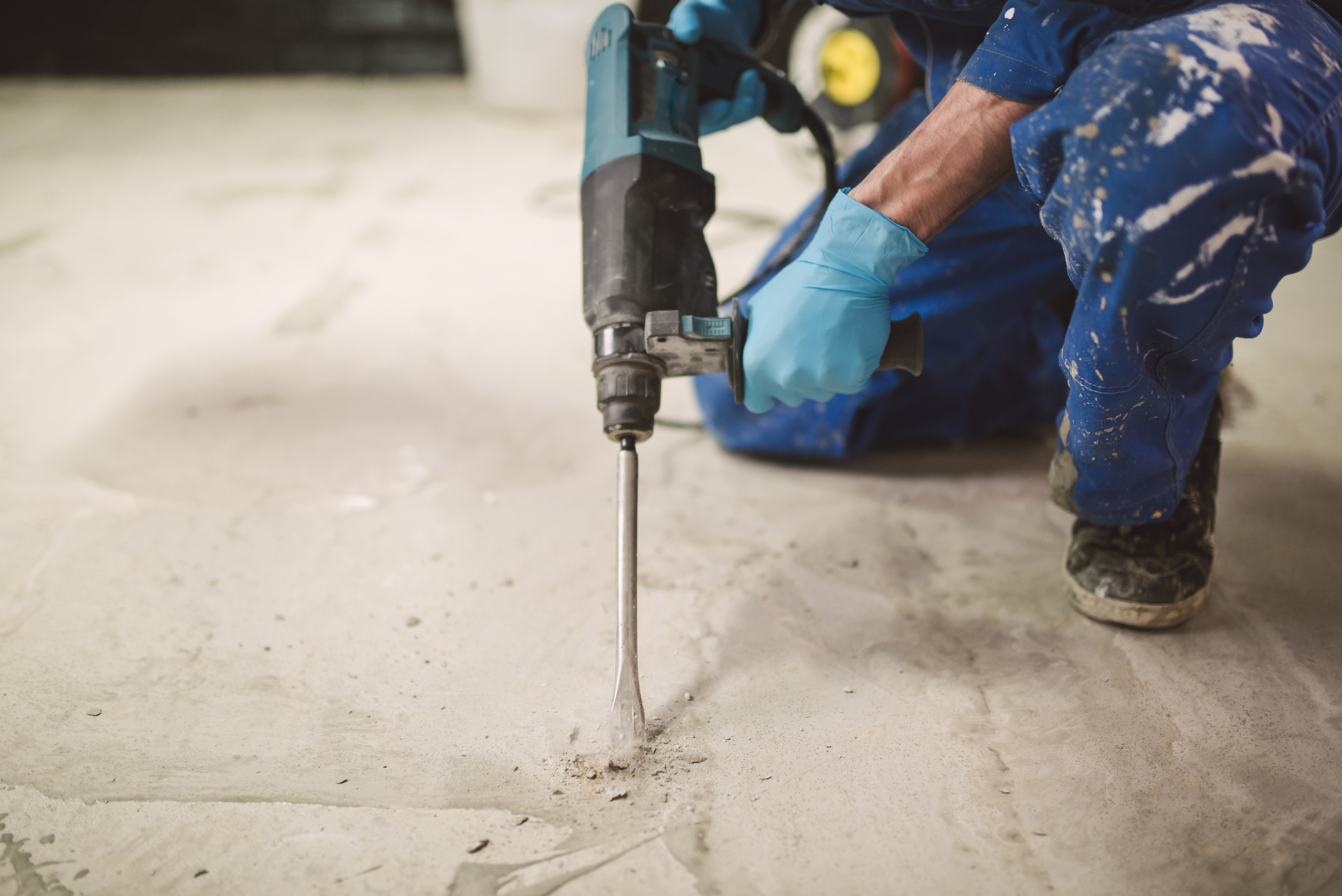
Dig a hole wide and deep enough to accommodate the sump pump, the top of which should eventually sit flush with the floor surface.
Of course, when your basement floor is concrete, digging a hole is easier said than done. To break up the concrete, use either a sledgehammer or a jackhammer. If you have never used a jackhammer, keep in mind that it is a heavy tool that is very loud.
After penetrating the concrete slab, continue drilling until the cavity is large enough to fit the pump basin.
Pro tip: Carrying debris up the stairs is not fun. We recommend loading 2 gallon buckets so that each load has a reasonable weight.
Step 2: Place the sump pump basin and pump in the hole.
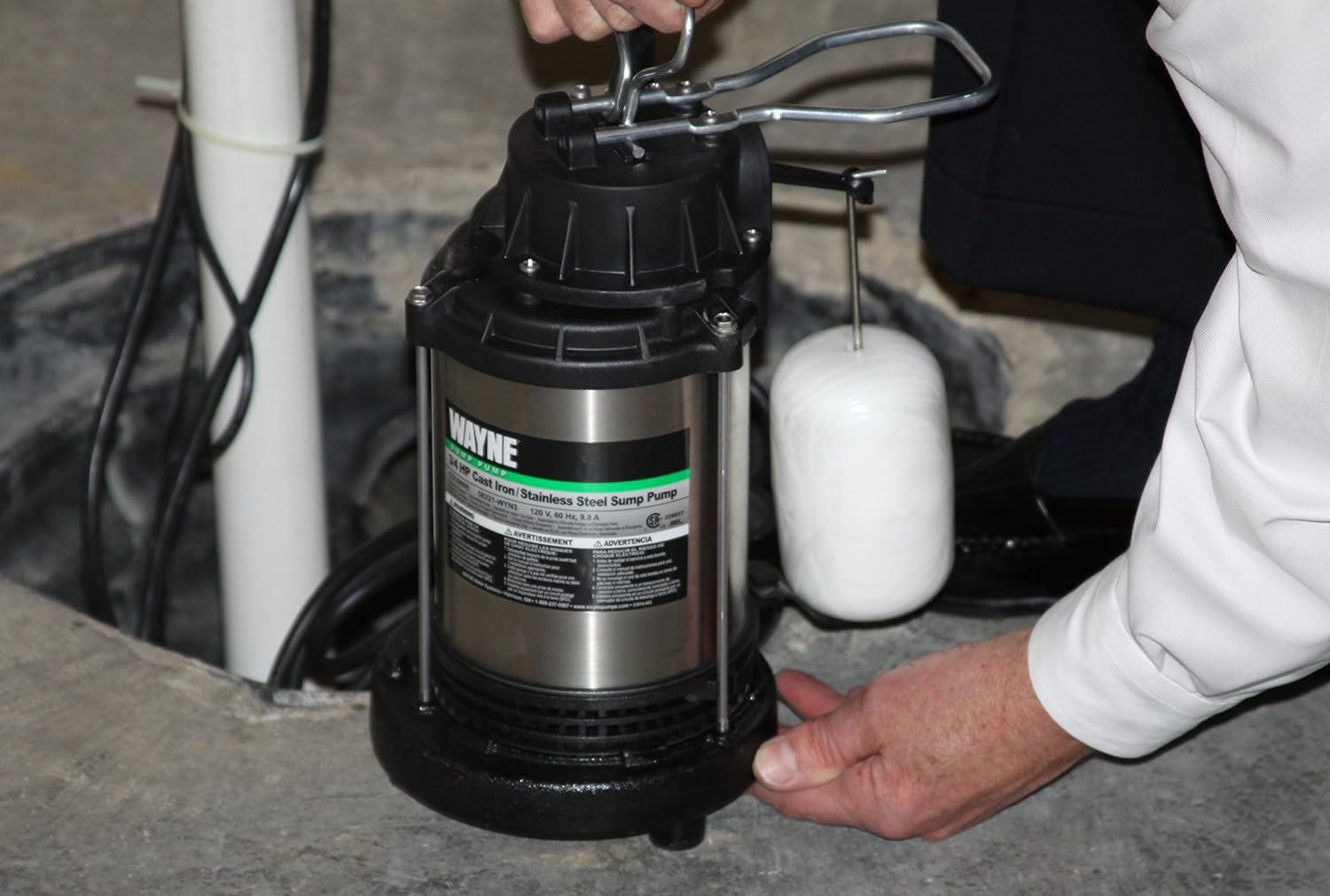
The most effective sump pumps usually have weep holes, which allow water to enter from the sides and bottom. If you don’t have these important holes, take the time to drill them yourself. Next, wrap a layer of filter fabric around the outside of the basin to prevent silt and mud from clogging the pump.
Add 2 or 3 inches of gravel to the bottom of your hole, then place paver or fieldstone over the gravel to create a stable platform. Place the sump pump basin in the hole, backfilling around it with excavated dirt. At this point, the unit should not vibrate even if you gently shake it.
Place the sump pump in the prepared basin and hole itself.
Step 3: Check the sump pump’s float valve.
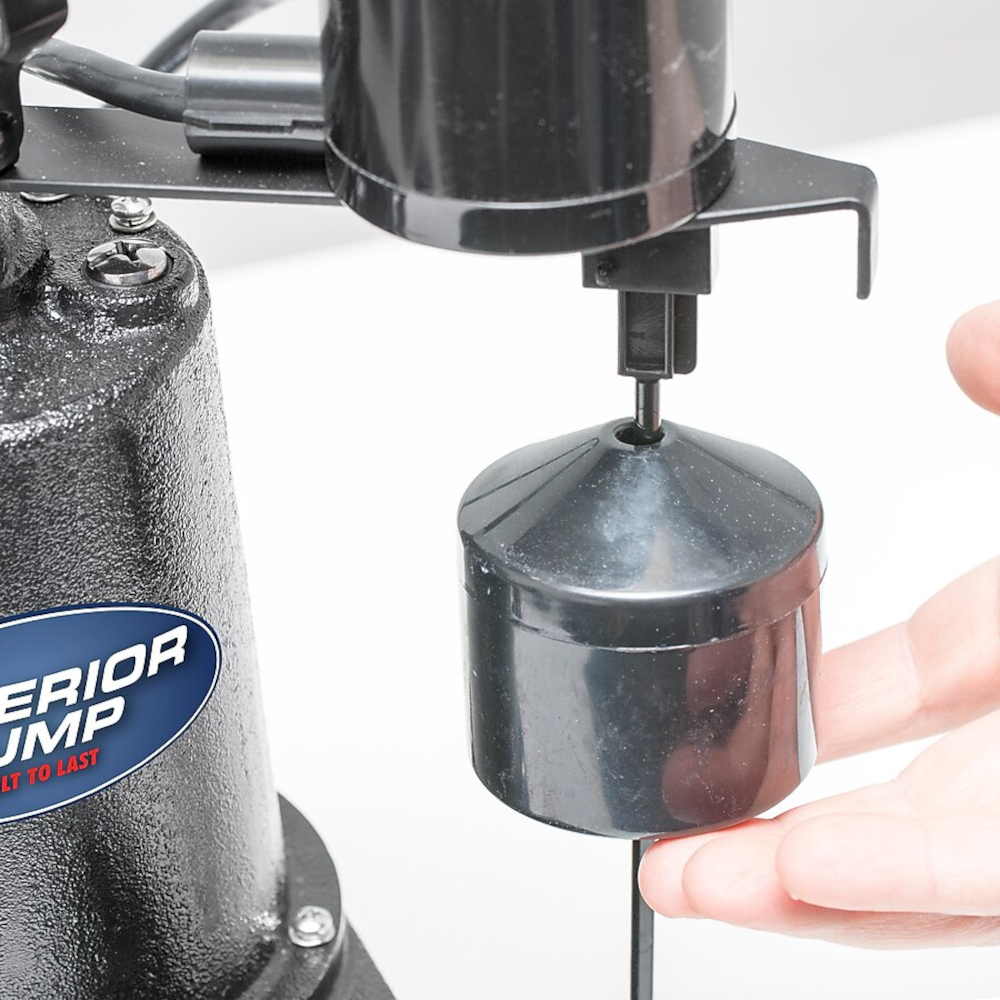
For a sump pump to work, its float valve must be able to move up and down freely. When the water level rises, so does the float, which turns on the pump. It is very important to check the float valve before proceeding. Run it up and down with your hand to make sure there are no obstructions.
Step 4: Run a hose or pipe from outside the house to the pump.
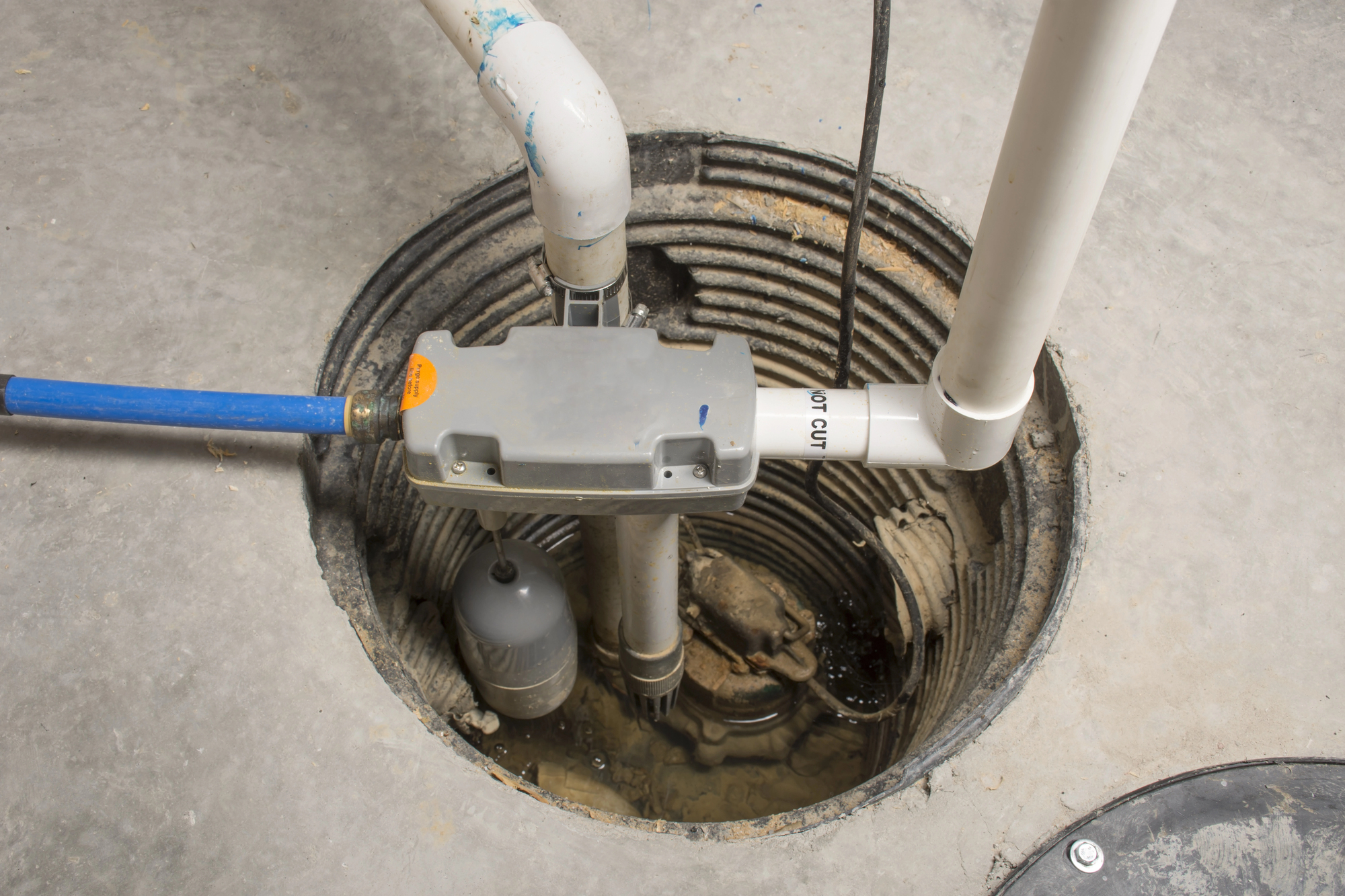
As mentioned above, you should run a flexible discharge hose or PVC pipe (with adhesive joints and elbows if necessary) from the pump to the outside of your house. You will need to use a drill/driver fitted with a hole saw bit to drill a hole where the output band meets the basement wall at the joist. Once you’ve run the pipe through the hole, use waterproof silicone caulk around it to fill any large or small gaps.
Install a check valve in the middle of the initial length of discharge pipe. A check valve creates two connected sections in the pipe and serves to direct water away from the sump (never back).
Step 5: Test the sump pump and inspect for leaks.
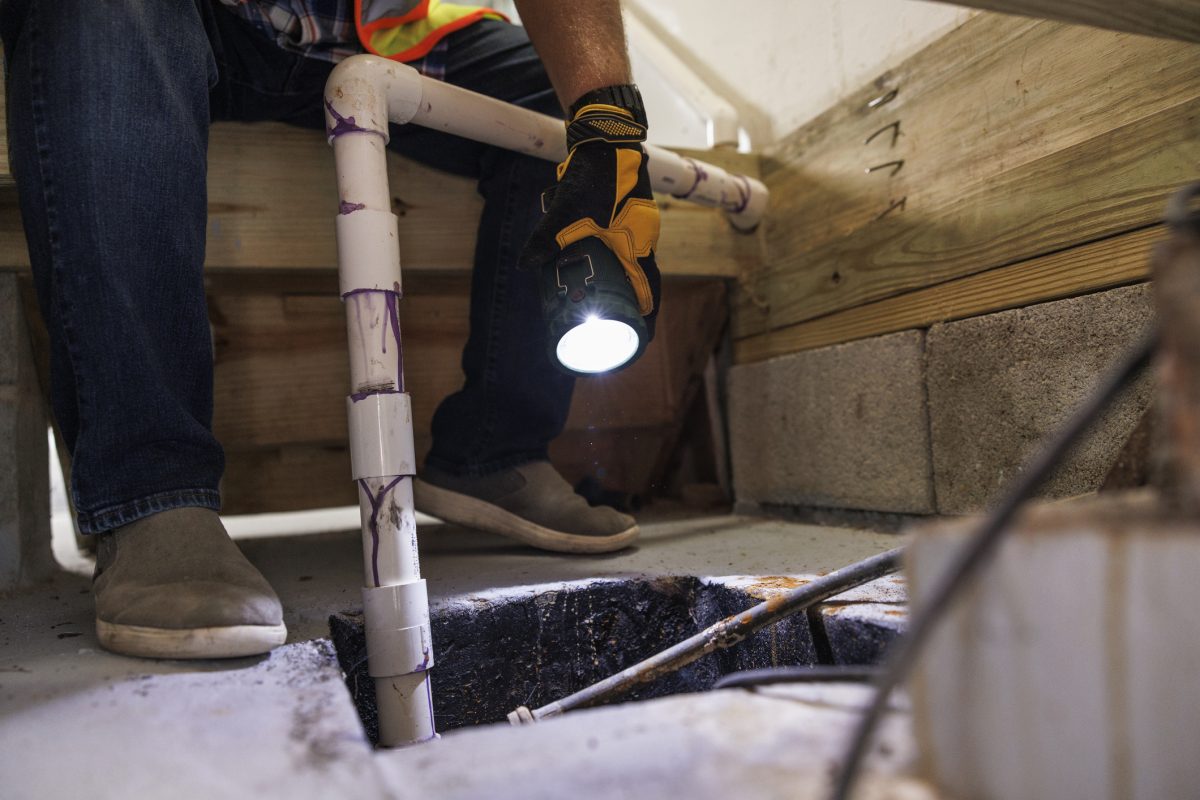
Finally, install the pump and give it a test run. You should never run the sump pump dry, so start by filling the basin almost to the top with water. The float should rise, the pump should turn on, and the water should be pumped out. Inspect all connections for leaks, then go ahead and close the basin with its lid.
Step 6: Cover the area around the sump pump with concrete.
The last thing to do is to fill the hole around the pump with concrete. Mix a small batch of concrete to the consistency of peanut butter and spread it over everything except the sump pump cover.
You are finished! The next time a big storm comes your way, you can be sure you won’t have to run downstairs in a frenzy to recreate a wet/dry space!
Get the help you need.
Hire ASAP for sump pump installation. Basement waterproofing professionals are available to help.
+
When should you call a professional for sump pump installation?
Looking for sump pump advice or wondering who installs a sump pump? If you’re not sure where to start, need help digging a sump pump hole, or are concerned about drilling through the exterior wall of your home, you may want to call a pro. Additionally, homeowners who need a new electrical circuit or outlet for the pump should hire an electrician. If you have no DIY experience with plumbing or are concerned about choosing the proper location for installation or drainage, you can relax by having an experienced installer handle the project.
According to HomeAdvisor, sump pump installation typically costs between $642 and $2,087. Factors that affect the price include the type of pump, pump capacity and how long the installation process takes. If you need electrical work done, your total cost will be higher. Also, you may have to pay an additional fee to dig a proper sump pump basin hole.
Frequently Asked Questions
A sump pump alone usually costs between $50 and $200. Remember that you will need additional equipment and materials to install the sump pump, including the sump pump basin. According to our calculations, a DIY sump pump installation would cost about $325 to $525. Hiring a professional can add up to $2,087 in costs.
It depends. If you have some DIY experience, are willing to do the hard work of getting through a concrete floor, and don’t need any electrical work, you can probably install a sump pump yourself. Those with less experience or strength or who need a new circuit or outlet will benefit from professional help.
Replacing a sump pump should be easier than installation—if your previous pump setup worked properly and didn’t require any adjustments or repairs.
If you need to replace the sump pump because your sump pump is not working:
1. Unplug your old pump.
2. Remove the drain pipe from the check valve near the pump.
3. Remove the sump pump cover, the pump itself, and the associated drainage pipe.
4. Clean the debris from the basin using a wet/dry vacuum.
5. Place the new sump pump in the basin and add water if necessary.
6. Reconnect the drain pipe, lid and check valve.
7. Install and test the pump.
The exact costs to run a sump pump will vary based on the current energy rate, the voltage of the pump, and the number of hours per day or month the pump operates. You can use an online energy calculator to estimate sump pump operation costs based on your situation.

Meet the 2025 tools of the year.
