



Creating a raised garden bed can be a simple task that allows gardeners to make the most of their space, plant anywhere, including yards unsuitable for above-ground gardening, adjust the orientation of crops to best suit the sun, and have easy access to plants. Despite being available in pre-made kits in many sizes and materials, wooden raised garden sheds are common.
After creating a raised bed, it’s important to decide how to fill the raised garden bed. Several economical methods of filling a raised garden will produce healthy crops.
How much soil do you need?
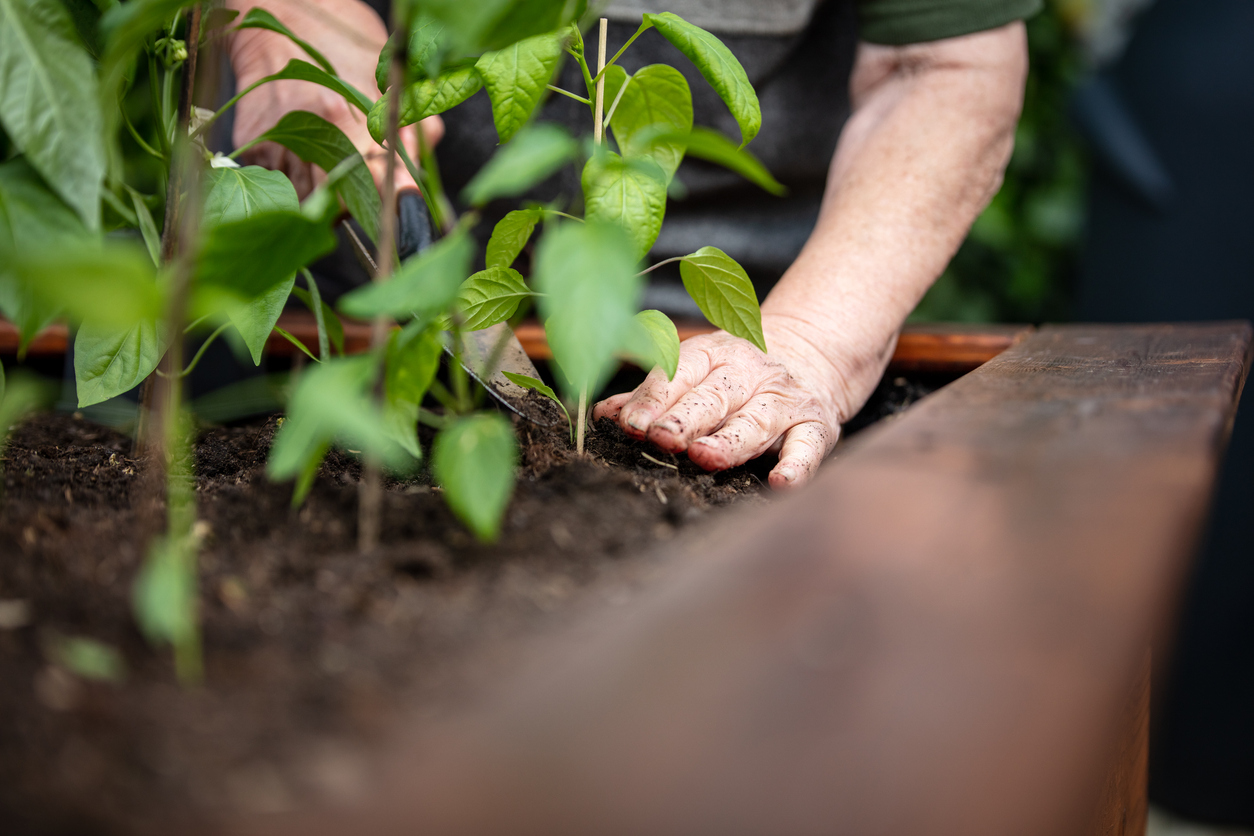
Generally, the soil level should be 1 to 2 inches below the edge of the raised bed. To calculate how much soil is needed to fill a raised bed, multiply the length of the container by the width times the height (minus 1 to 2 inches). This will provide the required number of cubic feet. To calculate the number of cubic yards (as soil is usually sold), divide by 27.
This method works best when using square or rectangular beds. Calculations for round, hexagonal, octagonal, or other shapes become more complicated but are based on the same base of length, width, and height.
These calculations are based on the use of raised bed soil. The calculation will change if you are using other materials in the bed, such as sand, rocks, or wood, that use different amounts of volume.
The best raised garden beds
Sunnydaze Galvanized Steel Raised Metal Garden Bed
Sunnydaze galvanized steel raised beds have plenty of planting space and a deep bed is ideal for root vegetables. Check out our full review.
Buy on Amazon.
Image: Amazon
Before you begin
Also known as sheet mulching, the lasagna method of filling raised beds is a cost-effective, simple, no-dig gardening method that creates fertile, nutrient-rich soil. There are no hard and fast rules about what ingredients to include, as long as they are organic. Prepare the beds in the fall to give the material time to decompose.
The best way to fill a raised garden bed
After building raised beds for gardening, it’s time to fill those beds with soil to nurture the soon-to-be-grown plants. Perhaps the most popular or at least, the most familiar method is known as the “lasagna” style. As with any Italian dish, lasagna gardening is all about layers.
Step 1: Use cardboard to cover grass and weeds.
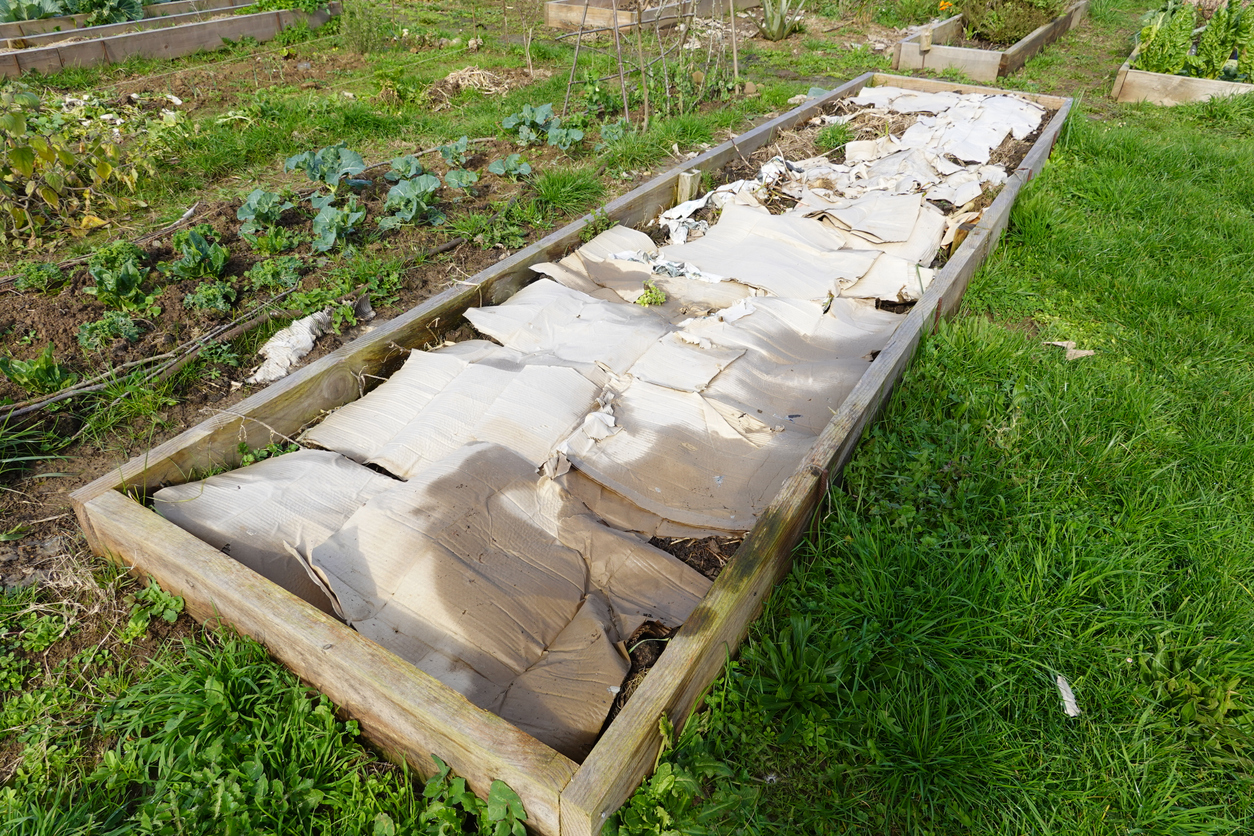
Lay down a layer of cardboard or several layers of newspaper. This first layer will cover the grass and prevent weeds, but it also serves as the first “brown” layer, which contains carbon.
Water to hold the cardboard in place and speed up decomposition. Moistening this layer will also attract earthworms, which will loosen the soil and add castings, a rich fertilizer.
Step 2: Add drainage if your soil is poor.
Some gardeners add broken terra cotta, gravel and sand to ensure drainage and eliminate excess water, especially in heavy clay soils.
Other gardeners advise against adding these items, claiming that it creates a “water table” at the bottom of the bed that will hold water instead of dispersing it. This is more likely to happen when different types of soil are layered.
Step 3: Add a green layer of organic material.
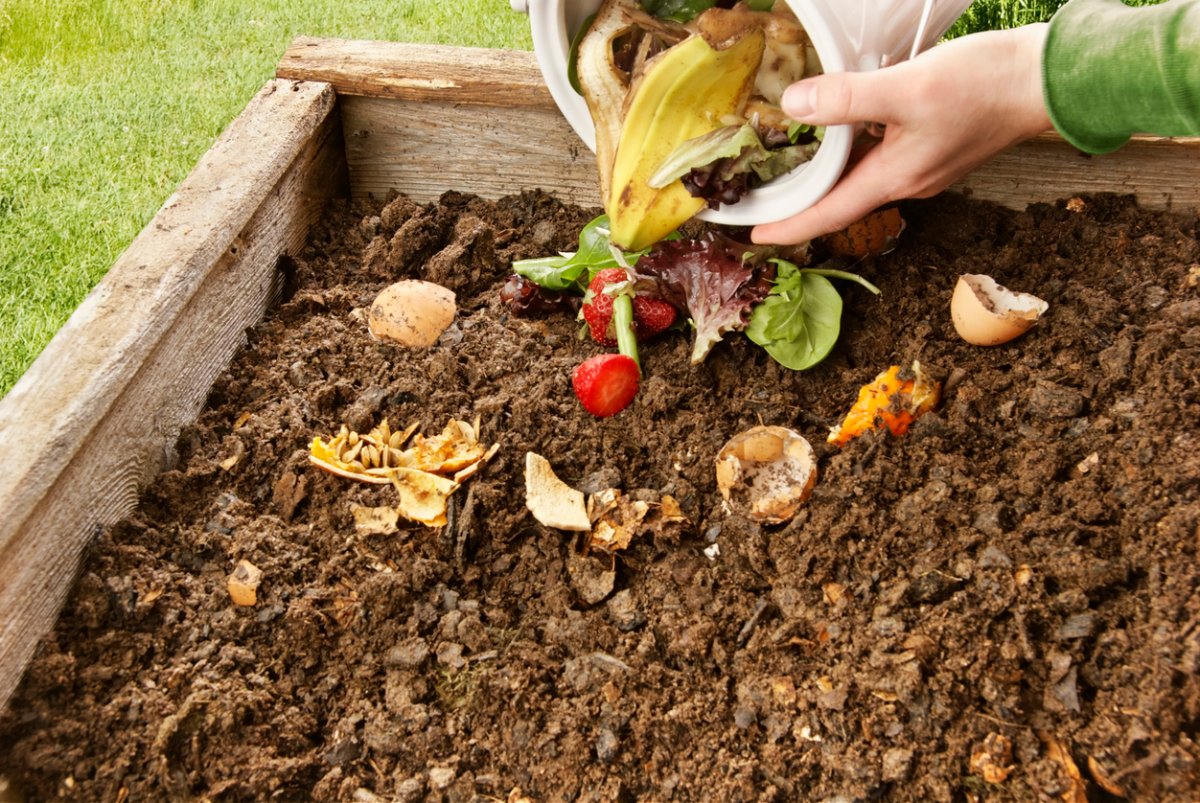
The next layer should be 2 to 3 inches deep, green and organic. This can include twigs, green leaves, grass clippings, straw, fruit and vegetable kitchen scraps, old compost, or other organic materials. Whatever material is used should be moist as opposed to dry brown material. This layer will provide nitrogen.
Step 4: Follow with the brown layer.

Add a layer of brown material, such as shredded dry leaves, pine needles, peat or shredded newspaper. This layer should be 4 to 6 inches deep, or twice as deep as the green layer. This will speed up the decomposition of the carbon layer. However, it will take nitrogen from the soil during processing, so it must be added with the previous green layer.
Step 5: Top it with a layer of soil, compost, or compost.

One winter period may be insufficient for the raised bed layers to thoroughly break down and become rich soil. In this case, you may need to add a layer of topsoil so you can plant your spring crops or landscape plants. Combine topsoil and compost in a 50/50 mixture. Other successful combinations include equal parts topsoil, compost and peat, or use a special garden bed soil.
4 Alternative Ways to Fill Raised Garden Beds
There are many options for creating raised bed gardens. Other styles of filling a raised garden bed may be better suited to different environments or time commitments.
Hugel culture
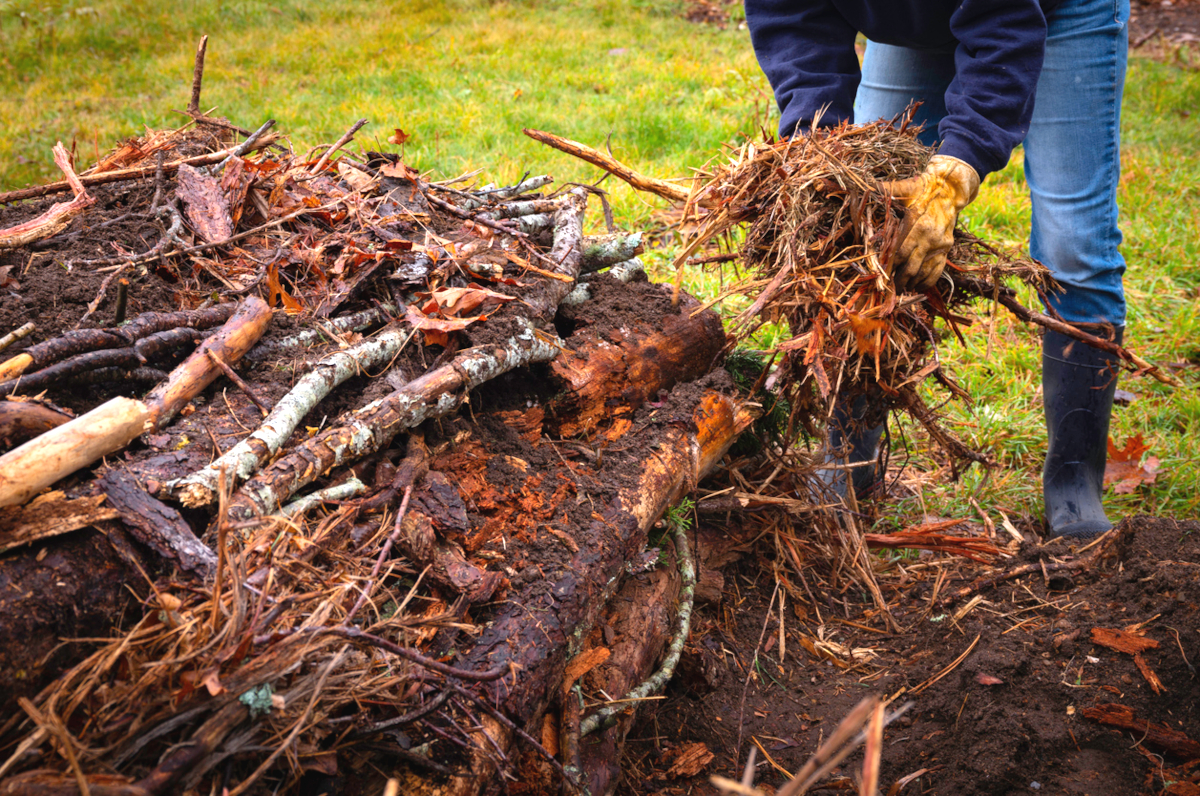
Hugelkultur is an old-world German method that uses logs, branches and plant debris to form the base of a 3- to 5-foot-tall sloping “hill mound,” providing easy access for planting and harvesting. Nutrients and moisture trapped in decaying material fertilize the soil, creating a microclimate as it decomposes, keeping crops warm late into the season. They require less water, provide more gardening surface in a smaller space, add organic matter, and divert waste from landfills.
Cover gardening
With basic gardening, a sponge-like trench in the center of the bed holds and soaks up water, reducing the need for irrigation. It also reduces the number of weeds. Dig a trench 10 inches deep in the center of your bed. Place cardboard in the bottom of the trench, and then place straw, leaves, grass clippings, or twigs on top of the cardboard. Fill the trench with a mixture of soil and compost. Water this central trench thoroughly. This will retain the water and slowly release it to the rest of the bed.
Ruth Stout
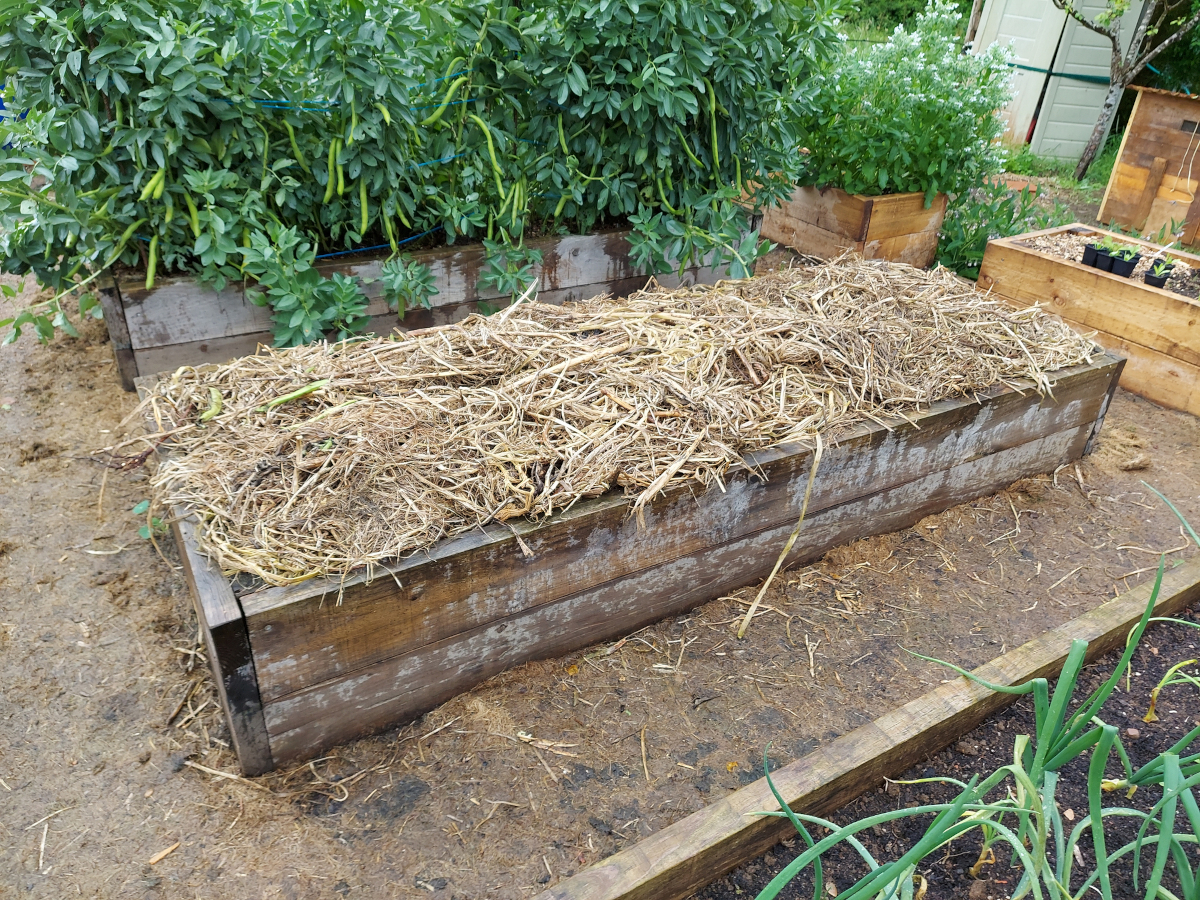
With Roth-Stout’s method, all exposed soil is covered with organic mulch that adds nutrients as it decomposes, while reducing erosion and suppressing weeds. The first layer is straw or other material that breaks down quickly (grass clippings, leaves). Next, a layer of manure or compost is applied, followed by more straw on top to a depth of 8 to 12 inches. Plants are grown directly in the mulch.
Back to Eden
Back-to-Eden gardening includes a 4- to 6-inch base layer of wood chip mulch with chicken manure. On top of this is added a raised bed soil mixture with a 50/50 ratio of manure or compost mixed with topsoil. Another thin layer of chicken manure and compost spread on top adds more nutrients. Wood chips decompose over time, improving soil health. Worms can be added to increase the amount of nutrients in the soil.
Materials to keep out of raised garden beds
While a mixture of materials that add nutrients to the soil as they decompose is beneficial in raised beds, not every type of material should be added. “Some things that should not be included in your raised beds (include):,” says Lindsay Chastain, founder and CEO of The Waddle & Click, a website dedicated to homesteading.
- Treated wood. Preservatives such as arsenic can leach into soil. Although uptake by plants rarely presents a problem for human consumption, it is a good idea to limit exposure to arsenic.
- Previously used soil with grass, weeds, pest-infested material, or diseased plants. They can introduce fungus or other diseases.
- Organic waste with grass seeds. Unless the temperature in the bed gets warm enough to “cook” them, they will likely germinate and grow in the bed.
- Carnivore waste that can spread pathogens.
- Dairy, meat and oils that can attract wildlife, insects and other pests.
You need to take care of your lawn and garden.
