



We may earn revenue from products available on this page and participate in affiliate programs. Learn more ›
Running the washing machine overnight It has become common practice for some households to try to save time, keep noise levels down during the day, and take advantage of higher electricity rates. While it may seem easier to do your laundry while you sleep, you are literally playing with fire.
Fire safety experts urge homeowners to think twice before starting a load of laundry as they go to bed to avoid a washing machine fire. “Most people think their washing machine is perfectly safe to run overnight,” says Brian Michie, managing director and fire protection specialist at System Building Services in the UK. “But certain factors can turn a normal wash cycle into a serious hazard, and when you’re asleep, your reaction time drops dramatically.”
Here are the warning signs that your washing machine is about to catch fire and how to avoid it so you and your family can stay safe.
Our recommendation
First Alert SMI100 Precision Detection Smoke Alarm
This smoke detector isn’t flashy, but it’ll do the job at a budget price. It is easy to install and produces a loud alarm.
Buy now.
Image: Amazon
Danger sign: Unusual noise
Abnormal sounds, such as grinding or buzzing, can indicate a motor or drum malfunction, Michie says. As belts and motors wear out, they can overheat due to friction. It can start a washing machine fire, so don’t ignore these sounds. Another red flag is humming without spinning, which could mean a broken belt or a problem with the motor. Turn off the unit immediately, as it may be drawing power without moving, causing a fire hazard.
The best way to prevent these breakdowns is to maintain your washing machine regularly. Check belts and other moving parts for signs of wear and replace them as needed. It’s also important to make sure there are no blockages in the pump or drainage system, which could cause an overworked motor or problems.
Danger sign: Burning smell
A burning smell during or after a wash cycle is one of the most telltale signs of a fire hazard, Mishi warns. This is often caused by a power failure or overheating. Washing machines draw a significant amount of power during a cycle, so they can get very hot. Electrical problems such as frayed wiring, a failing motor, or a malfunctioning heating element can cause components to reach dangerous temperatures and cause a fire. During the day, a burning smell can alert you immediately, but at night, a fire can take hold before anyone is aware of it, even with the best smoke detectors.
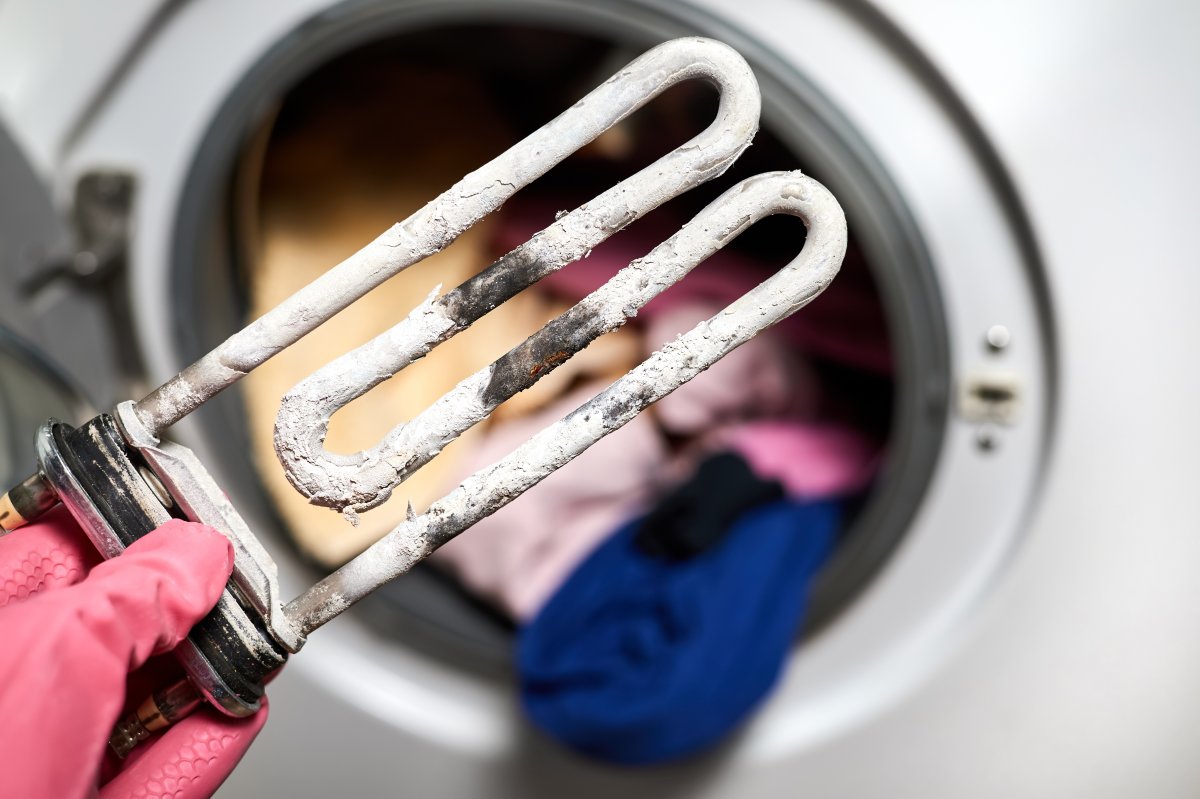
Here are some specific ingredients that can burn and what to do:
- Belt worn: A worn or slipping drive belt causes a burnt rubber smell in your washing machine from the extra friction. Disconnect the washing machine from the mains supply. Locate and access the drive belt on the bottom or back of the device. and inspect it for cracks, abrasions, or signs of melting. If it is damaged, replace it immediately.
- Overheated motor: Age, excessive load, or mechanical problems can cause the motor to overheat, causing a burning smell. If the base of the washer is hot after a short wash cycle, the motor will need to be replaced.
- Worn Clutch Assembly: When the clutch wears out, it can begin to slip, creating friction and overheating, which can smell metallic or rubbery. Unplug the washer, remove the cabinet or rear panel to gain access to the clutch assembly, check the clutch for signs of wear such as black pads or fine metal dust. If you find damage, you will need to replace the clutch assembly.
- Electrical Short: A short circuit can cause the smell of burning plastic. Unplug the washing machine immediately. If you’re comfortable removing the control panel, look for burnt wires, black connectors or melted plastic. Call a pro, as repairing a short circuit is dangerous and complicated.
Danger sign: Hot to touch
If your washing machine feels hot to the touch after a cycle, don’t ignore it, or you could be increasing the risk of a fire in your home. Heat can be caused by overheating or electrical problems. “Electrical faults in washing machines don’t always show themselves,” says Mishi. “A component can slowly fail over time until it reaches a failure point, and that point does not wait a reasonable hour.” It’s a smart idea to feel your washing machine frequently to make sure it’s not burning up.
One way to avoid overheating is to avoid overloading your washing machine. Throwing too many items into the machine at once can be a fire hazard, as it stresses the motor. This can cause circuit malfunction, overheating, and even ignition of flammable materials in the machine you were hoping to clean. Always follow the manufacturer’s instructions for load capacity.
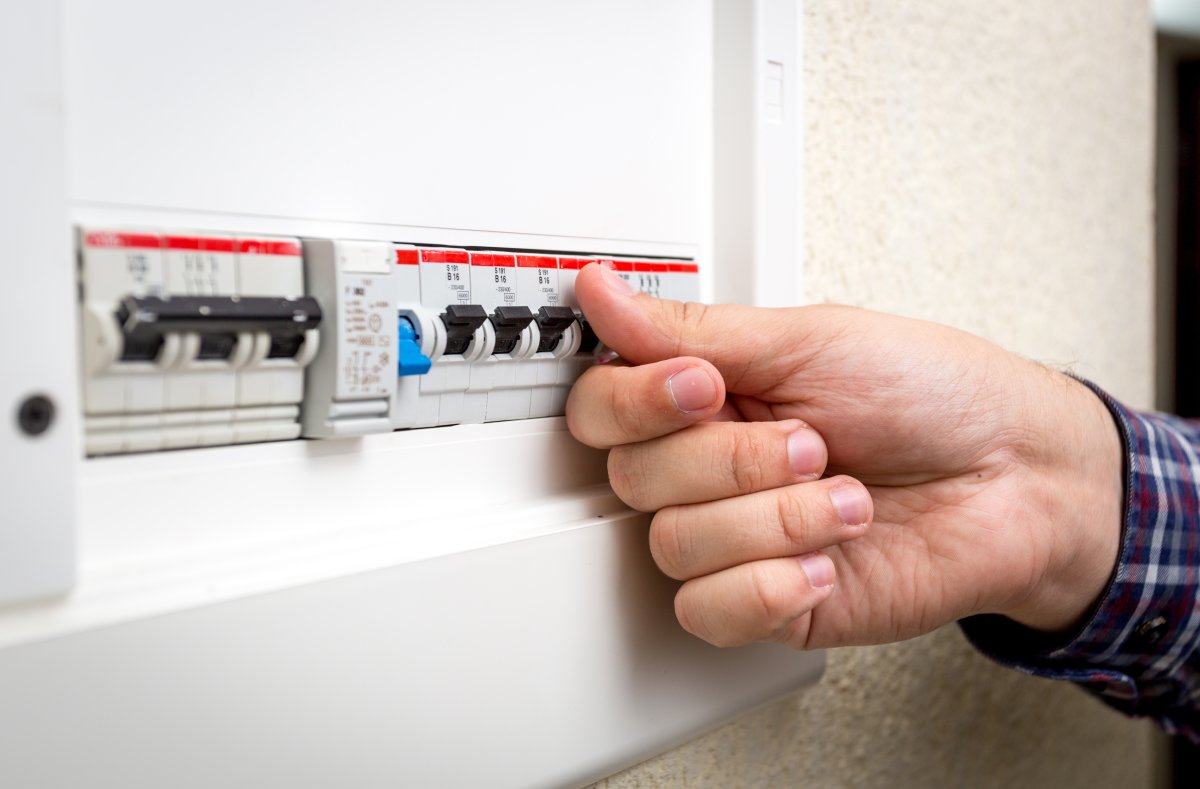
Danger sign: Tripped fuse
“If your machine regularly trips the fuse box, that’s another indicator that shouldn’t be ignored,” notes Mishi. This can be triggered by faulty wiring or an overloaded socket. Washing machines should always be plugged directly into a wall socket. Never run the cord through an extension lead. If your home’s wiring is old or the sockets are overloaded, overnight power surges can cause fires. “Extension leads aren’t designed to handle the constant power demand of a washing machine, and that mismatch is exactly where a fire can start,” notes Michie.
Code often requires that washing machines have a dedicated circuit, so avoid plugging other high-energy appliances such as dryers or irons into the washing machine circuit to avoid a hazard. Also, it is important that your washing machine is properly grounded with a three-prong plug in the grounded outlet. It helps prevent short circuit and electrical fire. Hire a qualified electrician to determine if your machine is properly grounded or if any modifications are necessary.
Danger sign: Scorch marks
Visible burn marks around the plug or socket are another indication that something is not right. This is especially true for older machines. Older models often lack automatic shut-off mechanisms and thermal protection features that are standard in newer devices. If an old machine overheats or breaks down mid-cycle, there’s nothing to stop it from running. “Machines older than 8 to 10 years are worth paying attention to,” suggests Michie. “They don’t have built-in protections like modern devices. If you’re older and showing signs of wear, running it overnight without maintenance is not something I’d recommend.”
After testing 20 air purifiers, we found one that the rest couldn’t
