



We may earn revenue from products available on this page and participate in affiliate programs. Learn more ›
Life runs on tight schedules, and waiting 45 minutes to an hour for a dryer cycle can throw off an entire day’s routine. When you’re standing in front of your dryer watching the minutes tick away, it can feel like the most frustrating barrier between you and the rest of your day. Fortunately, there are several hacks on the Internet that promise to help speed up the laundry process, such as adding a dry towel to the dryer load to reduce drying time. But does putting a dry towel in the dryer help? We spoke to several laundry experts to find out if they support or disapprove this popular hack.
Experts say it works with some caveats.
Home appliance experts agree that this trick can improve your laundry experience. “Adding a clean, dry towel to the dryer can help wet clothes dry faster, as the towel absorbs moisture and helps separate items as they tumble,” says Morgan LaLonde, senior brand manager at Whirlpool Laundry in Chicago, Illinois. Because the towel absorbs more moisture, the dryer needs less heat, which means it can run more efficiently and faster.
The towel also helps distribute the heat more evenly across the items in the load, ensuring they all dry at the same rate. Finally, the towel helps separate clothing items so they don’t clump together. This allows hot air to circulate more freely and evenly, improving overall efficiency.
However, it’s recommended to remove new wet towels partway through the cycle, about 5 to 10 minutes for smaller loads or 15 to 20 minutes for larger loads, LaLonde says. “This is because the dryer will use extra energy to dry the towel, and the potential energy savings comes from reducing the overall drying time required for an entire load of laundry,” she says.
“If you forget to remove the wet towel, you just slow down the drying process, because now the dryer needs to dry the towel as well, and that defeats the purpose,” adds Megan Dozer, owner and CEO of Dr. Fix It Plumbing, Heating, Cooling & Electric in Denver, Colorado.
“By using the towel-dry method correctly, you can cut your 60-minute drying cycle down to about 5 to 10 minutes.”
– Megan Dozer, Dr. Fix it Plumbing, Heating, Cooling and Electric

Save time, energy and money.
A typical dry cycle takes about 45 minutes, says LaLonde, but that time can vary depending on the cycle, heat setting and the size of your load. Adding a dry towel can help speed up the drying process, allowing you to optimize your laundry schedule and prioritize other activities. “The towel also helps prevent large items from tangling, such as sheets, by helping separate items when they start to fall, allowing for more efficient drying and less clipping.”
While there’s no significant industry data on how much drying time you can actually save, appliance repair expert Brooke Stafford, senior services manager at appliance care company Domestic & General, estimates you’ll trim your laundry load by a few minutes. “But the exact amount of time depends on how big the load is, what’s being dried, and how efficient the dryer is at removing air,” notes Stafford.
In Dozer’s experience, a dry towel can cut drying time by 10 to 15 percent if you’re drying heavy items like jeans, coats, large terry towels, or hoodies. “By using the right towel-dry method, you can cut your 60-minute drying cycle down to about 5 to 10 minutes,” she says. “If you dry heavy items every day, using the dry towel method can reduce energy use from about 3 to 5 kWh per load to about 2.5 to 4.5 kWh per load, and that can reduce your energy bills by $1 to $3 per month,” says Dozer.
Follow these tips for best results.
To maximize your savings with the dry towel trick, you’ll want to keep the following tips in mind:
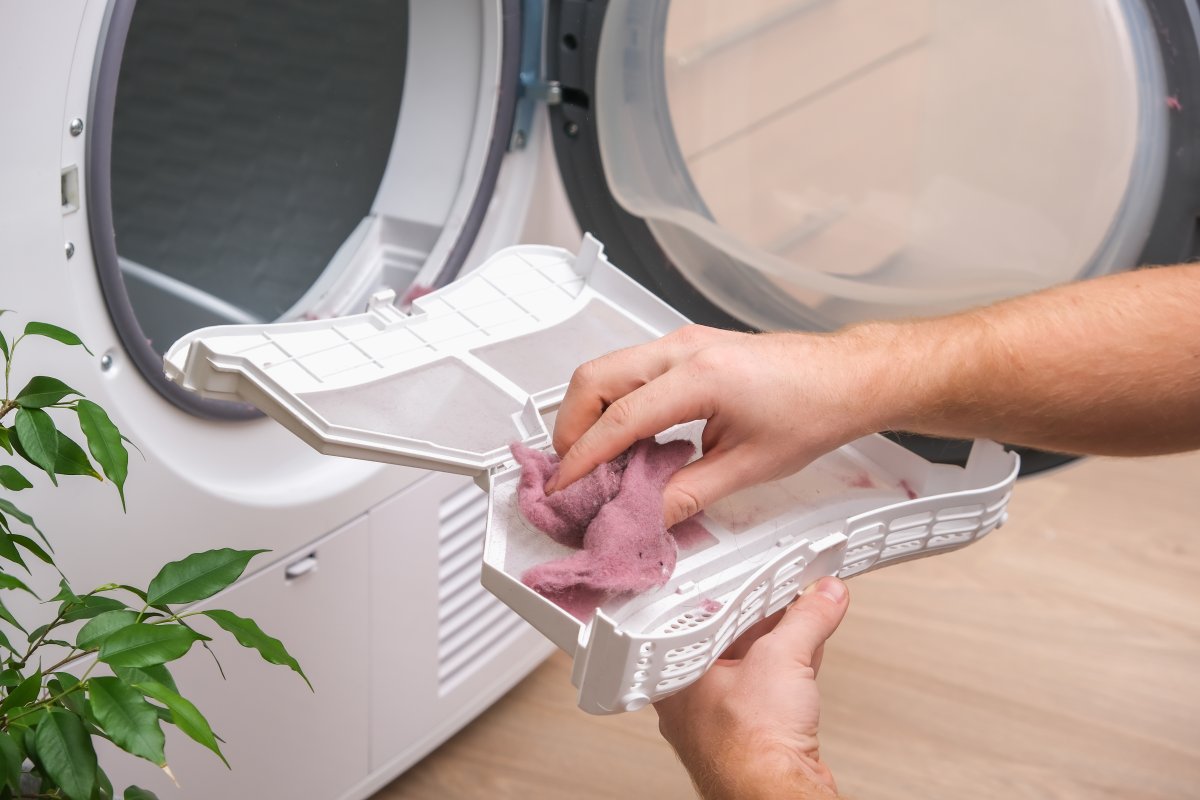
- Clean the lint trap before each load to keep your dryer running as efficiently as possible.
- Use a basic cotton towel in the dryer with your wet laundry. “This trick doesn’t require using fancy or expensive towels,” says LaLonde. You run the risk of ruining expensive luxury towels, as the fibers can become rough during the drying process.
- If you are drying a full load, make sure your dryer is not over packed. “A towel needs space to move around and absorb moisture effectively, so it works best with medium loads,” LaLonde explains.
- Avoid using this hack for small loads of laundry. “The way the towel dries doesn’t matter if you’re using it with lightweight clothes like T-shirts, underwear, or thin workout clothes,” cautions Dozer.
- Do not throw the dry towel in with delicate items such as silk, lace, or special athletic materials. “Adding towels to these loads will create excessive friction and can actually damage these items,” says Stafford. “Also, these delicate pieces can get stuck in the towel, preventing it from drying completely.”

Homeowner Survival Kit
