



The extended recall removes contaminated tater tot products from food service distribution.
Frozen potato products appear on breakfast tables, lunches, school cafeterias and family gatherings across the country. One of the most popular uses is the well-known tater tot breakfast casserole, a dish often associated with weekends, church events and large group meals. This is why a recent food safety notice has attracted widespread attention. Federal health officials announced the recall of hundreds of thousands of pounds of the product after confirming concerns about possible contamination.
The Food and Drug Administration reported that more than 648,000 pounds of frozen tater tots are being recalled after the first voluntary action by a major Idaho-based food producer. The latest update expanded the recall to include more batch codes than previously reported. The problem centers on the possible presence of small, hard pieces of plastic that could end up in food during production. Although no retail packages were involved, the scale of the recall has raised concern because of how widely the product was shipped.
The recalled Tater Tots were sold under two familiar brand names, Ore-Ida and Sonic Tots. These products are not sold directly to consumers in grocery stores. Instead, they were sent to food service clients, including restaurants, cafeterias, and other mass caterers. Nevertheless, health officials advise that any business or organization that receives these products should stop using them immediately and check all listed batch and use codes.
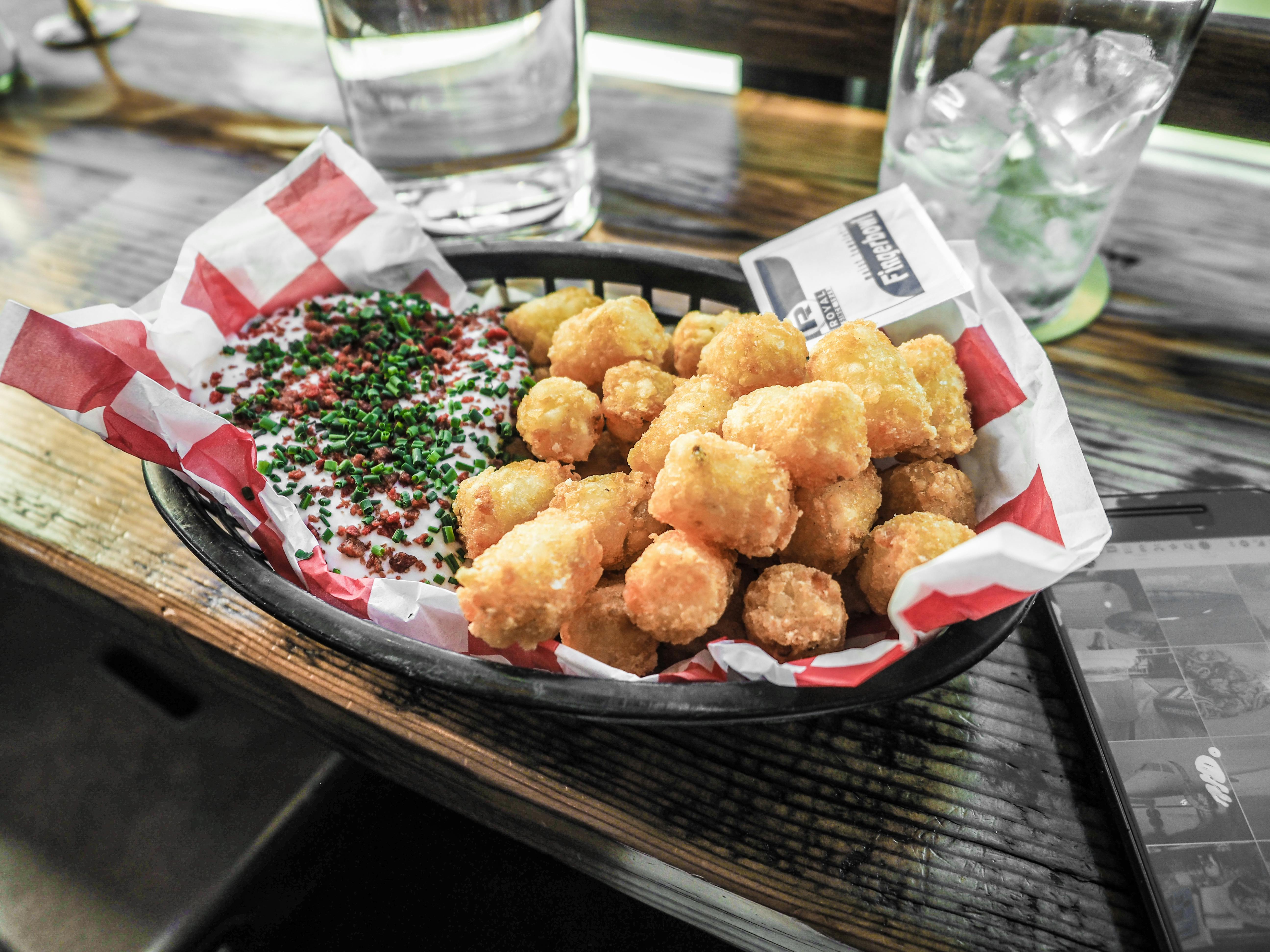
According to the FDA, the affected Tater Tots were shipped to vendors in 28 states. These states include parts of the Northeast, as well as most of the South, Midwest, and West. Widespread means that the product may have been offered in many settings, such as fast food places, sports venues, hospitals and schools. Because food service items often come in large, plain packaging, they can be difficult to track after they are used, which is why officials emphasize the need for careful inventory review.
One of the biggest recalls involves Ore-Ida-sized tater tots. More than 21,500 cases were affected, each case weighing 30 pounds. Frozen potatoes were packaged in clear plastic bags with no retail label, six bags per case. The updated notice included several batch codes and future use-by dates, indicating that the issue affected products made on more than one production run. A smaller number of Sonic Tots were also recalled, totaling 67, but they carry the same risk of plastic shards.
Foreign material contamination is taken seriously because it can cause choking, damage to teeth, or injury to the mouth and throat. Even small pieces of hard plastic can be dangerous if swallowed. Although the FDA did not announce reports of injury linked to this recall, the agency proceeded cautiously. Food safety principles need to be recalled when there is a reasonable possibility that a product may cause harm.
The reminder serves as a reminder of how complex modern food production can be. A single problem at one facility can affect food served in dozens of states. It also highlights the difference between retail food recalls, which reach home kitchens, and food service recalls, which affect places that feed large numbers of people at once. In both cases, tracking codes and dates play a key role in keeping unsafe food off plates.
Health officials continue to urge food service operators to follow recall instructions closely, discard affected products, and contact suppliers with questions. For the public, notices provide reassurance that surveillance systems are working as intended. When problems are found, they are shared openly, even when the food never reaches grocery store shelves. In a country where tater tots are a staple of comfort food, this level of maintenance helps keep shared meals safe.
Sources:
Tater Tot Recall Update As FDA Determines Risk Level
Tater tots sold in 28 states expand to 650,000 pounds
