



We may earn revenue from products available on this page and participate in affiliate programs. Learn more ›
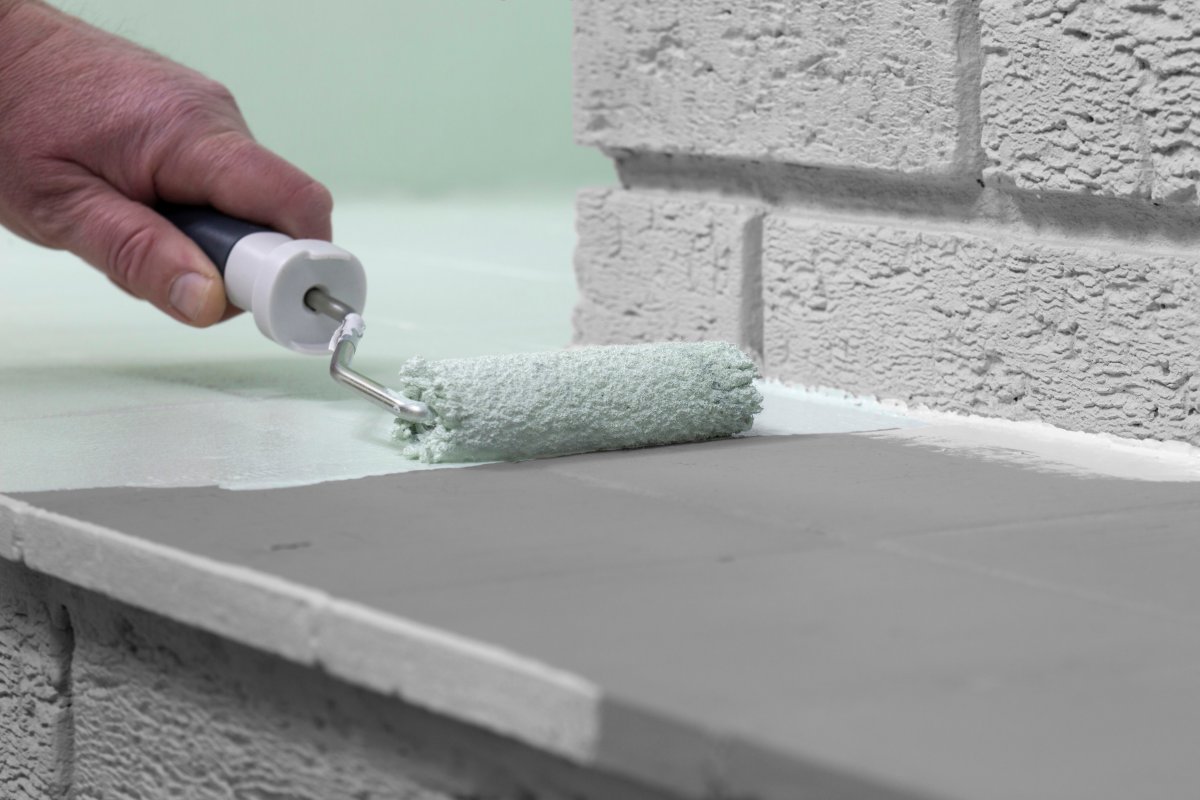
Brick fireplaces have long served as centerpieces in living rooms, family rooms and dens, offering warmth, texture and architectural character. Yet in recent years, some homeowners have been tempted to paint over a brick fireplace or mantel to achieve a lighter, more modern aesthetic. While social media feeds are full of before-and-after dramatic transformations of brick fireplaces coated in crisp white or gray paint, professional painters who understand the long-term effects often take a different approach in their own homes.
Chris Downing, owner of Primary Painting in Vermont, has spent years helping homeowners refresh their spaces, but there’s one project he consistently avoids when it comes to his own home. “Natural brick is timeless, durable, and virtually maintenance-free. Once you paint it, you’re committing to ongoing maintenance, and you lose the original character and texture that makes it beautiful in the first place.”
There are several reasons to avoid this type of painting project and what to do instead.
Preserve timeless character and value.
A natural brick fireplace often serves as a focal point that adds charm and authenticity to a home. Each brick has subtle variations in color, texture, and tone that add depth and visual interest to a space. When left unpainted, brick can complement a variety of interior styles, from rustic farmhouse to contemporary. Preserving this original material can maintain both visual appeal and potential resale value, especially among buyers who appreciate historic or natural design features.
Apart from its aesthetic value, brick is also known for its durability and longevity. Properly maintained brick can last for decades with minimal maintenance. Unlike painted surfaces, it does not require regular touch-ups or fresh coats of paint to maintain its unique appearance.
Prevent long-term care challenges.
Unlike painted drywall or wood trim, brick is a porous material that breathes. When sealed under layers of paint, its natural ability to release moisture is compromised. “Paint can trap moisture, stick over time, and permanently change materials,” Downing notes. This moisture trapping can lead to deterioration below the surface, causing the paint to bubble, peel or flake in unsightly ways. Once these problems develop, repairs can be more complicated and expensive than maintaining natural brick.
Don’t get caught up in trends.
Design trends come and go, and what feels fresh and modern today may not hold the same appeal just a few years down the road. “I’ve seen a lot of brick covered with heavy paint or modern ‘German schemer’ techniques, and in many cases, it feels worn out within a few years,” says Downing. On the other hand, natural brick ages beautifully and offers a level of design flexibility. Its neutral, earthy tones allow homeowners to change the decor, furniture, and color palette around it without needing to replace the fireplace.

Avoid a commitment that is difficult to undo.
The biggest drawback of painting bricks is the constant commitment required. Removing paint from brick is a difficult and expensive process that often requires professionals to use chemical strippers, sandblasting, or other aggressive methods that can damage the surface. Even then, brick rarely returns to its original shape, and it can be permanently ruined. What might start out as a modern refresh could turn into a painting mistake headache in the future.
Choose smart alternatives.
For homeowners who want to update the look of their fireplace without sacrificing the integrity of the brick, Downing recommends focusing on surrounding design elements rather than replacing the masonry. “Instead, I recommend leaving the brick in its natural state and building the design around it,” he says. “If the homeowner wants a lighter or more modern feel, consider updating the mantle, refreshing the surrounding walls, improving the lighting, or adding updated finishes to the room. You can modernize the space without compromising the integrity of the brick.”
These complementary updates can dramatically change the overall feel of a room while maintaining the character and value that the original brick provides, such as a new mantle in a light wood tone or a sleek metallic finish providing contrast. Fresh paint on the surrounding walls can brighten up the entire space and make the brick feel more intentional. Likewise, adding new tile or stone fireplace accents can give a fresh look. Finally, strategic lighting, such as new, modern fixtures or better bulb placement, can highlight the texture and warmth of natural brick in ways that harmonize with contemporary design.

Meet the 2025 tools of the year.
