



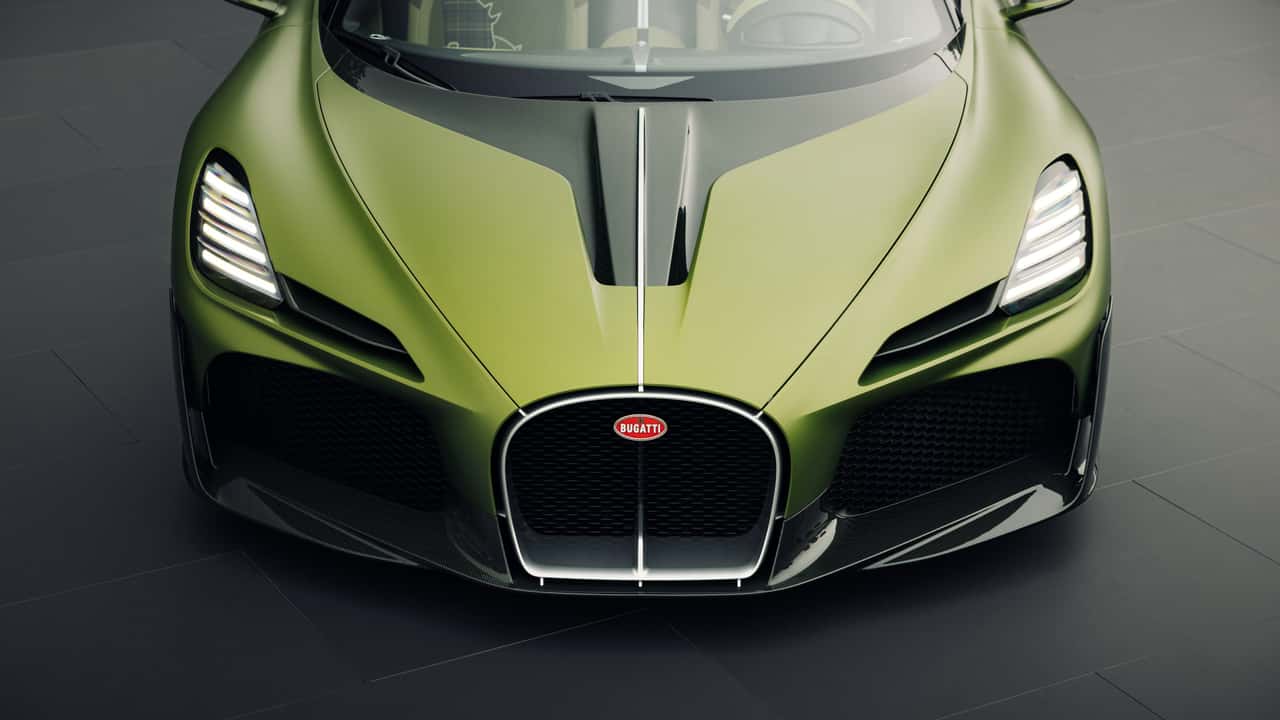
An exclusive new study led by Boston Consulting Group with DuPont Registry Group projects that the U.S. luxury and exotic automotive sector will grow from about $110 billion today to $215 billion by 2035, indicating the category’s growing influence within the increasingly interconnected luxury lifestyle ecosystem.
According to the report, the U.S. total identifiable market for vehicles priced at $100,000 or more is projected to grow at a compound annual growth rate of 5 percent to 7 percent through 2035. Used vehicle sales are expected to grow 1.5 times faster than new ones, thanks to higher automobile prices and an increased supply of secondary market inventory.
According to the report, although buyers are passionate about luxury and exotic automobiles, preferences are changing in the customer’s journey. Players including brands, dealers, and marketplaces will need to adapt to these changing priorities to secure their market position and achieve future growth.
By interviewing key stakeholders and surveying more than 400 current and former collectors and potential buyers, the report’s authors found that, while buyers remain enthusiastic about purchasing luxury or exotic automobiles, preferences are shifting along the customer journey.
- For most of the respondents, shopping was the closest activity. About 80% of shoppers browse the Internet at least weekly, even when they don’t have an immediate intention to buy. Once they made a decision, however, nearly 70 percent of respondents completed their purchase within a month.
- While a large number of shoppers across all age groups favored a couple of anchor brands (notably Porsche and Ferrari), millennials and Gen Z respondents were more willing to cross-shop and consider other brand options.
- Across all age groups, one-third of buyers cited emotional factors as the primary reason for purchasing a vehicle. However, younger buyers were more likely to view luxury automobiles as an investment opportunity or as a reward, while older buyers were drawn to technological innovation and owning the latest model.
- While purchasing through an authorized dealer was the most popular option among all age groups, millennials and Gen Z were more likely to purchase from digital platforms or through private sales. Importantly, the survey found a high degree of digital comfort across all generations, with three-quarters of respondents open to buying their next vehicle entirely online.
- The majority of shoppers consider experiences to be a valuable part of their brand satisfaction. While driving-related or vehicle-related events such as track events and factory tours came out on top, lifestyle events such as wine tastings or fashion shows were also popular, suggesting an emerging opportunity to develop the luxury automobile experience beyond the vehicle itself.
The findings of this report show that ecosystem players cannot rely on traditional approaches to captivate and retain an evolving customer base.
To keep up with the ongoing changes in the luxury and exotic automobile market, they should prioritize the following steps over the next few years: Provide regular, engaging online content that matches the growing digital sophistication of buyers. Build emotional loyalty around brands. Develop an e-retail model. And double the experiments.
Click here to read the full report.
Sources:
Boston Consulting Groupfor , for , for , . DuPont Registry Group
